

FabCon in Barcelona, Part 1: Copilot Now Speaks Your Business
Part 1 of 3 in our series "What FabCon in Barcelona means for your data platform.
For ten years, your Power BI semantic models sat behind reports. People opened a dashboard, clicked a filter, and exported to Excel.
On September 29, that changed. Those same models now answer questions inside Microsoft Copilot, for every licensed user in your tenant, at no extra AI token cost.
The measures your team certified are now the answers Copilot gives. A clean model gives your CFO a clean answer in a chat window. A messy model gives a messy one, just as fast.
That was the message Microsoft repeated all week at FabCon and SQLCon Europe: your data foundation is now your AI foundation.
What happened in Barcelona
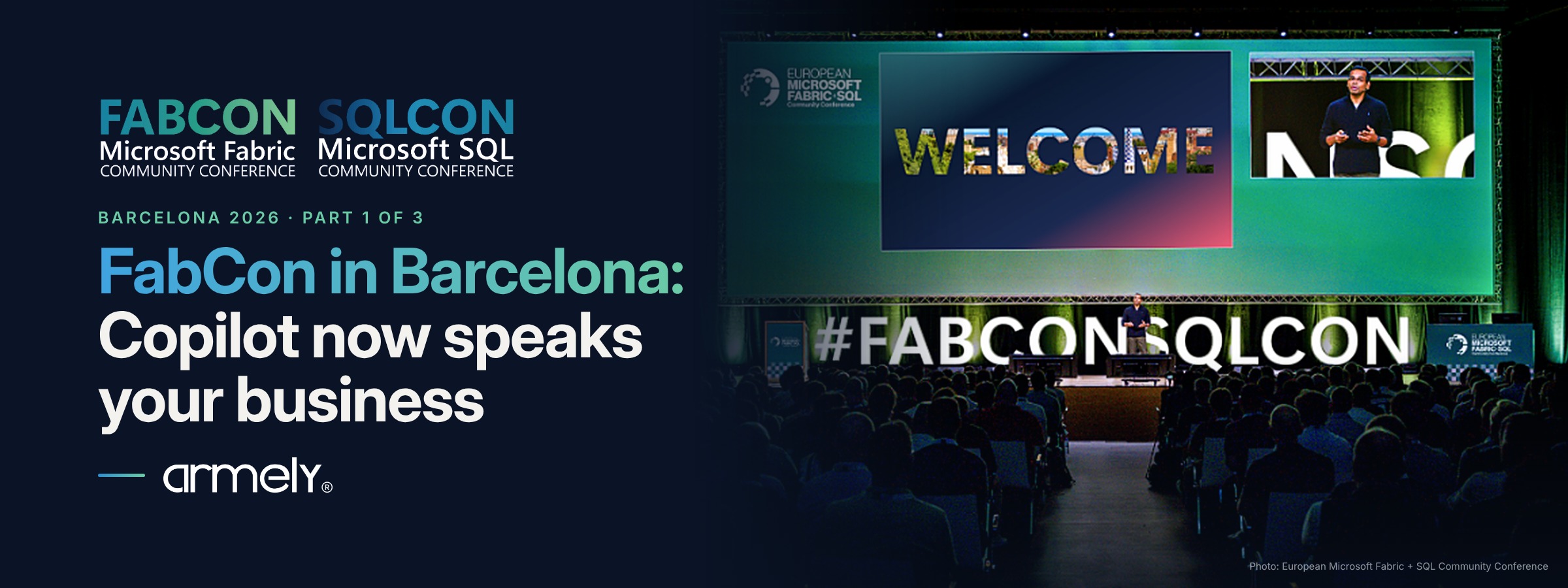
Nearly 5,000 data professionals filled the CCIB in Barcelona from September 28 to October 1, across more than 130 sessions. FabCon and SQLCon shared one venue and one pass for the first time in Europe.
Microsoft says Fabric has more than 40,000 customers and Power BI more than 425,000. This part covers the announcements that reach those Power BI users first: Copilot and apps.
Fabric IQ in Microsoft Copilot
Fabric IQ in Copilot Chat and Cowork is generally available. Your users ask business questions and get answers grounded in your governed Power BI models.
What Fabric IQ is
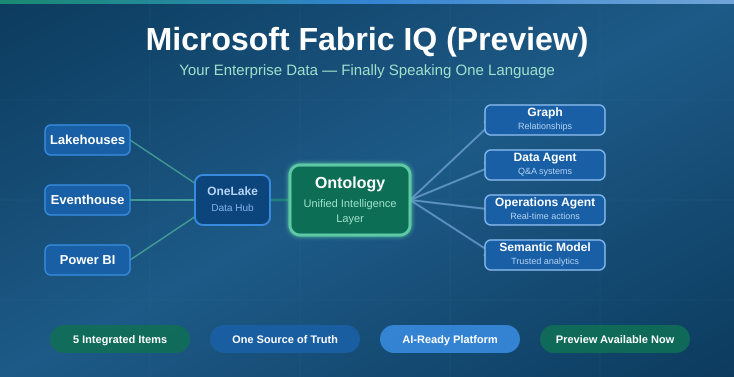
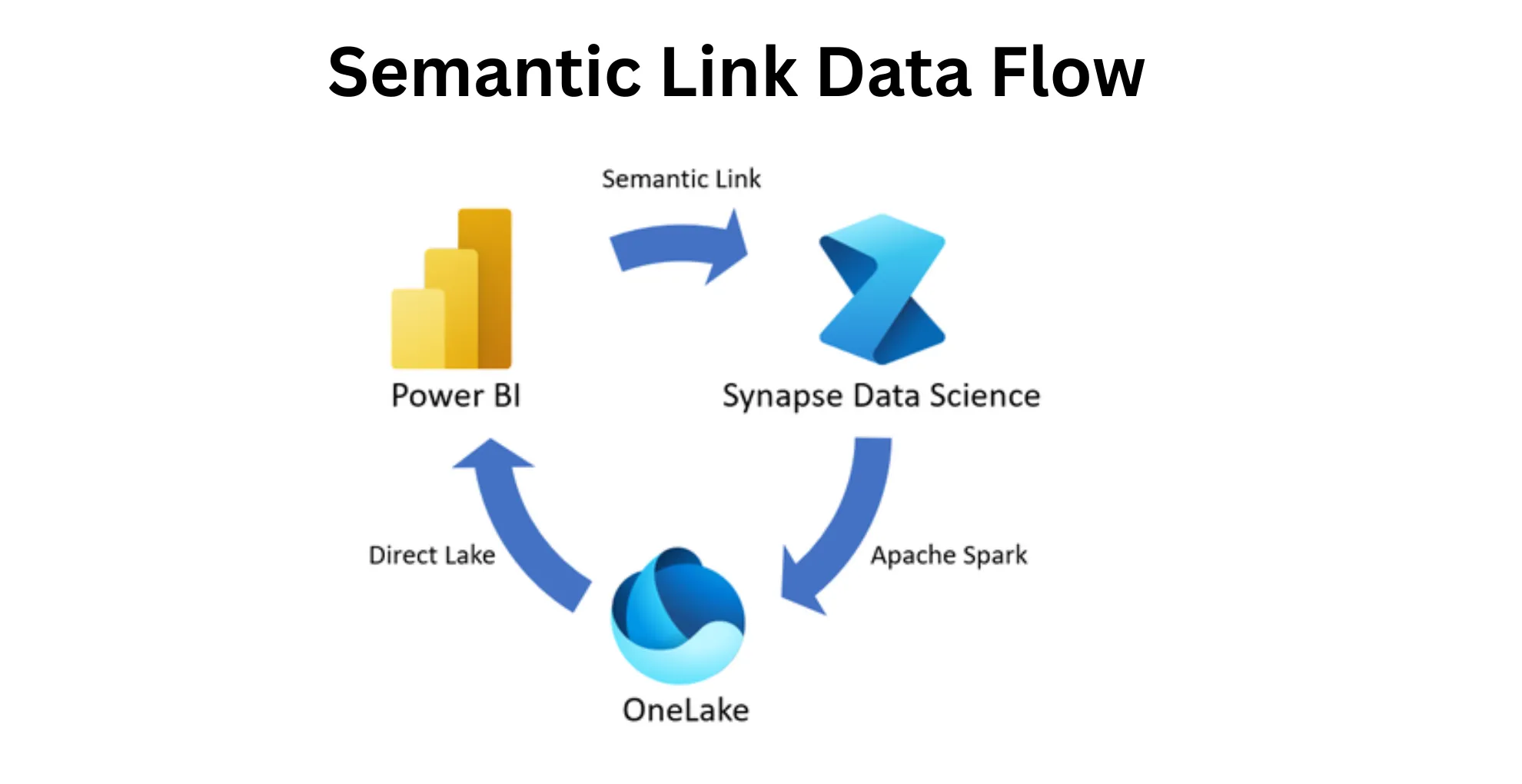
Fabric IQ is a shared context layer. It combines three things:
- Unified data from OneLake
- Trusted metrics from Power BI semantic models
- Operational context from ontologies and Real-Time Intelligence
A sales manager asks, "What was Q3 revenue by region?" Copilot picks the right semantic model and answers from your certified measures.
Where it shows up
- Copilot Chat answers questions from governed reports and models.
- Cowork uses Power BI content inside long-running, asynchronous tasks.
- Code integration comes later through the Frontier program.
- Copilot in Power BI gets the same Microsoft 365 Copilot experience, so answers inside a report can draw on your Microsoft 365 data too. It ships in preview, off by default, for users with a Microsoft 365 Copilot license.
Related releases
- Fabric IQ MCP server (GA). Your developers use the same conversational analytics from dev tools and external MCP clients.
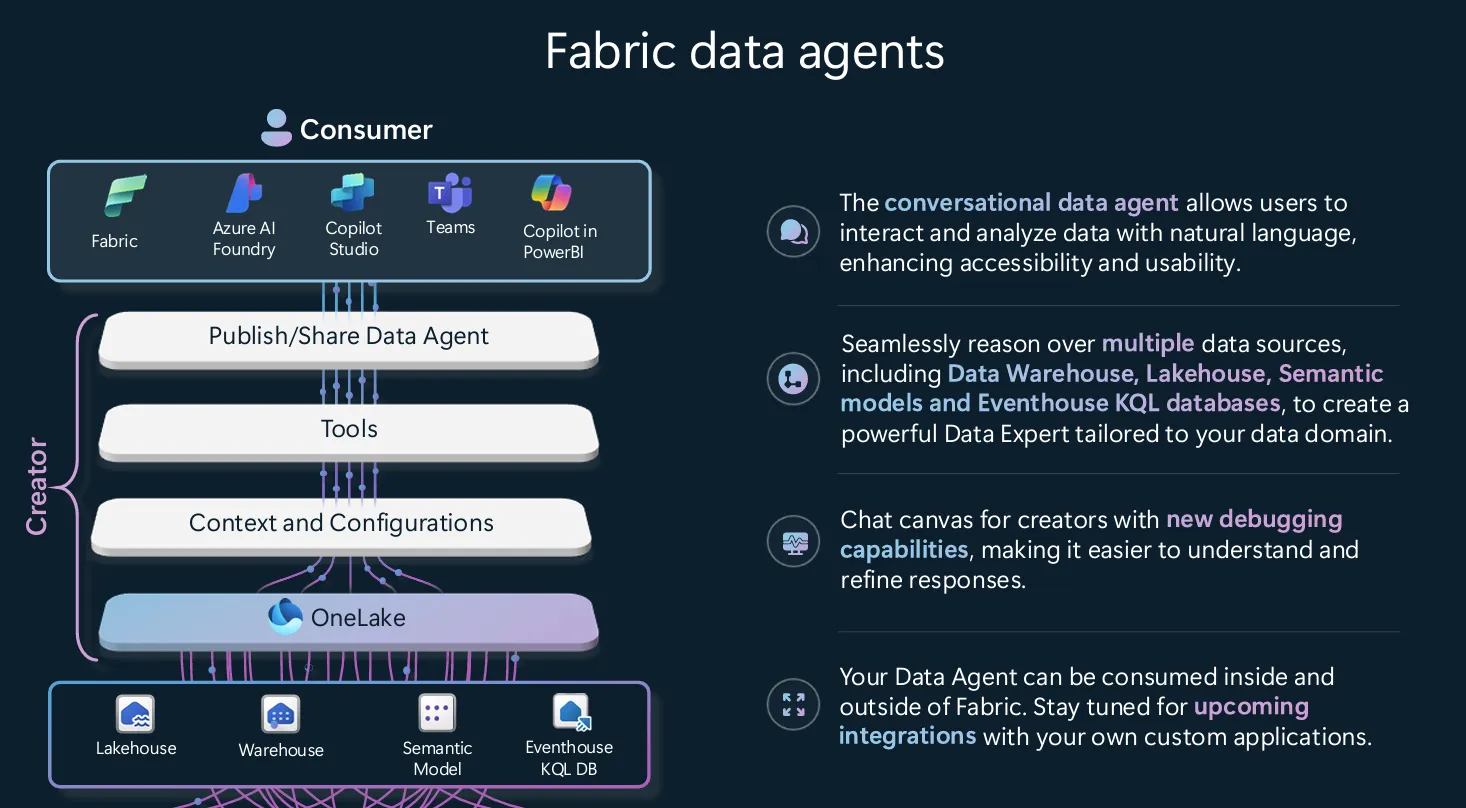
- Fabric data agents in Copilot Studio (GA). Visuals in data agents are GA. Topics are in preview.
- Agentic ontology creation. You build ontologies from semantic models, OneLake data, and documents. You write rules in plain language and bring DAX measures into the ontology.
- Native Planning Engine (preview). Microsoft claims up to 10x gains in performance and scale for Planning in Fabric IQ.
Watch the default
Each semantic model has a setting that controls whether read-only users reach it through Copilot, data agents, and MCP servers. It is on by default. Admins also get a Restrict from Copilot control. Part 2 covers both in detail.
What this means for you
Your semantic model is now an AI surface. Vague column names, missing descriptions, and uncertified measures turn into vague answers. Clean models become your quality control.
Power BI builds apps now, not only reports
You now build working data apps from a semantic model, and Power BI Pro users get this at no extra cost. Apps in Power BI reach preview in the coming weeks for Pro, Premium Per User, and Fabric capacity customers.
Agentic app creation in Power BI Desktop
The flow has four steps:
- Start from a trusted semantic model.
- Describe the app you need in plain language.
- Preview and edit it in real time.
- Publish it to Fabric.
These apps accept inputs, write data back, keep shared state, and run workflows. Picture a regional manager in Ohio entering a revised sales forecast that writes straight to a Fabric database for finance to review.
Each app gets its own SQL database in Fabric, plus authentication and security. Pro and PPU users get up to 1 GB of Fabric Database per app. When an app outgrows its builder, you hand it to developers without a rebuild.
One timing note: the Power BI team says the Desktop experience arrives in the coming months. Plan for months, not weeks.
Fabric Apps and the Rayfin SDK
Fabric Apps launched in June 2026. The open-source Rayfin SDK and CLI let developers and coding agents build app backends and deploy them to Fabric. New in Barcelona:
- Direct connections to warehouses, SQL databases, lakehouses, and semantic models, with no data copies
- TypeScript backend functions and a Secret Store
- PostgreSQL support
- Private-by-default access
- Built-in usage and performance metrics
Semantic views: an early look
Microsoft says more than 22 million Power BI semantic models are in use every day. Semantic views let you define governed metrics where the data lives in OneLake, then reuse them inside and outside Fabric.
Microsoft and Snowflake also back Apache Ossie (incubating), a vendor-neutral standard for semantic metadata. Microsoft plans to make DAX an Ossie-recognized query language. If that lands, the measures your team writes today travel to other platforms without a rewrite.
What this means for you
The line between a BI developer and an app developer gets thin. Your analysts will build apps that write data. Decide now who approves an app before it goes live, and where its data lives.
What to do next
- Clean up your semantic models. Add clear names, descriptions, and certified measures. Copilot answers only as well as your model describes your business.
- Decide which models Copilot can reach. Check the per-model AI setting on anything holding salary, customer, or health data.
- Pick one app to pilot. Choose a manual process that lives in a spreadsheet today, such as forecast entry, and plan it as a Power BI app.
- Set an approval path. Agree who signs off before an analyst's app writes data in production.
Up next: the data behind the answers
Copilot answers only as well as the data underneath it. That puts the spotlight on the people who build it.
In Part 2, we look at the Data Engineering Agent that plans and runs migrations under your guardrails, the new upgrade path from Azure Data Factory, and the governance controls that decide what Copilot sees.
Continue to Part 2: FabCon in Barcelona, Part 2: Agents Join Your Data Team | Armely Blog
Book a free Copilot and semantic model readiness review at armely.com, by emailing info@armely.com, or by calling 972-460-0643.
Read More
- FabCon and SQLCon 2026 in Barcelona: Building the data foundation for Microsoft Copilot and agents (Arun Ulag, Microsoft Azure Blog)
- Power BI's next chapter: The evolution of business intelligence (Mohammad Ali, Power BI Updates Blog)
- Bringing governed analytics into the flow of work: Fabric Analytics at FabCon Europe 2026 (Bogdan Crivat, Fabric Updates Blog)
- FabCon Europe 2026: The Announcements That Matter (Solv Systems)