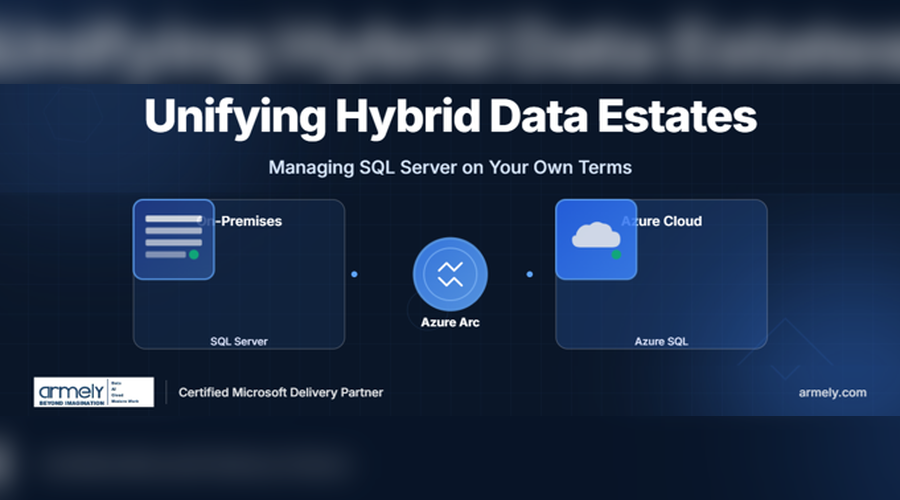

Unifying Hybrid Data Estates: Managing SQL Server on Your Own Terms
Enterprise data teams face a difficult reality. Strict regional regulations require core customer databases to remain physically on-premises. Latency constraints demand computing power at the edge, independent of an internet connection. Meanwhile, decades of legacy development keep crucial business applications anchored to specific local server hardware.
This physical fragmentation creates immediate operational drag. Database administrators spend their time jumping between different management consoles, tracking software software lifecycle expirations by hand, and struggling to get a single, clear view of system performance across different environments.
Microsoft Azure Arc bridges this gap. By acting as a secure link, Azure Arc brings cloud monitoring, flexible billing, and centralized administrative control to any SQL Server instance in your datacenter, at the edge, or across separate cloud providers.
One Clear View of Your Entire SQL Estate
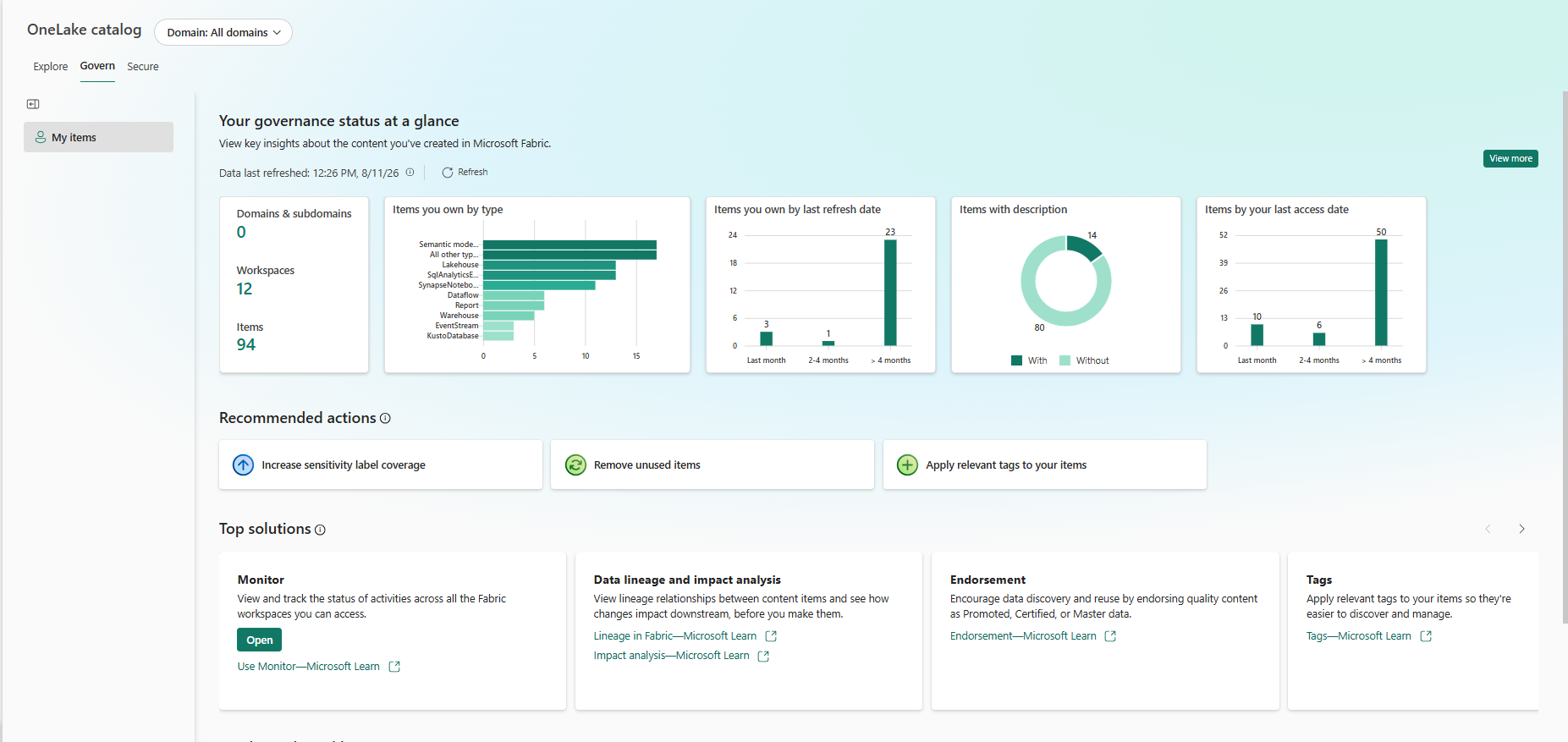
The first step in stabilizing a distributed data environment is establishing a single, verifiable inventory. Azure Arc automatically surfaces your hybrid SQL installations into a single control pane inside the Azure Portal.

Once you install the Azure Connected Machine Agent, Arc automatically catalogs key metadata from your infrastructure. The system tracks exact SQL Server editions, active database counts, underlying operating systems, database compatibility levels, and instance availability statuses.
By querying this information using the Azure Resource Graph, your team builds real-time asset maps in seconds. This visibility allows you to organize resource boundaries, move individual servers across localized subscriptions, and eliminate untracked software environments.
Proactive Optimization with Built-In Intelligence
Managing database health at scale often forces technical staff into a reactive, firefighting posture. Azure Arc changes this by bringing automated validation rules directly to your existing physical infrastructure.
Local SQL Performance Dashboards
Azure Arc establishes a secure outbound telemetry pipeline that surfaces performance logs into the Azure Portal without collecting customer content or personal information. DBAs track critical server variables—including active user sessions, CPU utilization, data warehouse storage I/O, and memory usage counters—right from a central dashboard to speed up troubleshooting.

Automated Configuration Reviews
Azure Arc evaluates your local configuration files against more than 450 distinct optimization rules. Running automatically at scheduled intervals, these scans pinpoint hidden vulnerabilities, structural setup errors, or lagging patches. The console then provides a prioritized task list with step-by-step mitigation guidance, giving your team the insights they need to maximize uptime and plan capacity effectively.
Automating Backups and Redundancy
For on-premises server topologies, managing backups and high availability (HA) typically requires constant jumping between separate administrative tools. Azure Arc brings native automation to your physical nodes.
- Automated Local Backups: Operating with full database recovery models on Windows systems, Azure Arc manages backup scheduling from the cloud. Administrators configure short-term retention targets from 1 to 35 days directly in the interface. Full weekly, daily differential, and 5-minute transaction log backups run automatically inside your local storage path, eliminating the need for custom scripts.
- Point-in-Time Restores: When data recovery is necessary, engineers use a simple slider in the portal to execute a restore. You don't need to manually map or locate distributed backup files; Arc orchestrates the process to restore the data as a new database on your target server.
- Unified Cluster Management: Azure Arc unifies visibility across Always On Failover Cluster Instances (FCIs) and Availability Groups (AGs). Rather than logging into local Windows Server Failover Cluster managers or running connection scripts via SSMS, DBAs review real-time synchronization metrics and trigger manual database failovers right from the portal.
Centralized Security and Passwordless Identity
Securing a hybrid data estate demands consistent control boundaries across all computing environments. Azure Arc extends Microsoft Defender for Cloud database protection to your on-premises and multicloud infrastructure.

The system continuously scans for unusual behavior, alerting security teams to brute-force attempts, SQL injections, or suspicious data exfiltration patterns. Furthermore, integrating Microsoft Defender for Cloud through Azure Arc delivers a standardized cloud security benchmark at nearly 80% savings compared to standard point security software.
Identity management is similarly updated through native Microsoft Entra ID integration. Azure Arc automatically provisions managed identities for your localized SQL Server instances. This allows data owners to implement single sign-on (SSO), enforce multi-factor authentication (MFA), and execute precise role-based access control (RBAC).
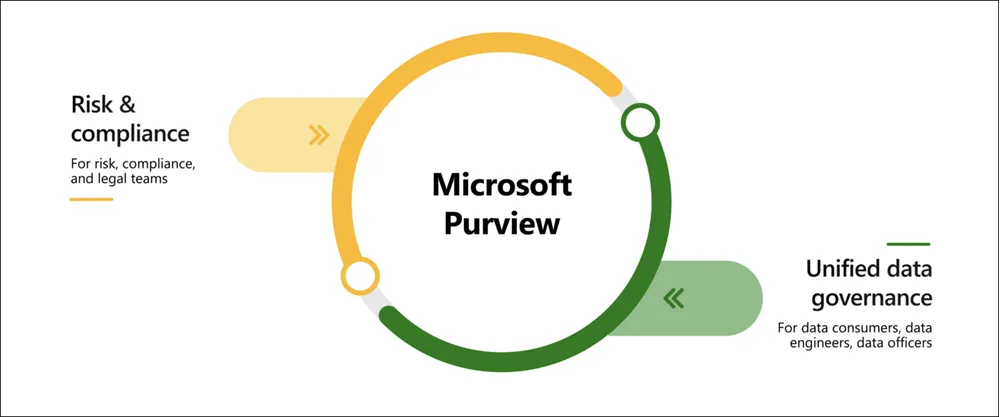
Engineers log in securely without managing static database passwords, and administrators control data auditing requirements globally through central Microsoft Purview access policies.
Aligning Costs via Pay-As-You-Go Cloud Billing
Traditional software procurement forces companies into rigid capital expenditure (CapEx) cycles, committing to fixed software investments via three-year multi-license agreements. Because DBAs must deploy hardware based on maximum potential demand, organizations frequently over-provision resources, resulting in expensive software true-up adjustments.
Azure Arc introduces consumption-based cloud billing directly to your hybrid servers, shifting database costs to an operational expenditure (OpEx) model.
|
SQL Server Edition (Arc-Enabled) |
Monthly Rate |
Hourly Rate |
Ideal Operational Scenario |
|
Standard Edition |
$73 per active core |
$0.100 per core |
• Medium-scale localized applications • Standard relational workloads • Expense-based chargeback business models |
|
Enterprise Edition |
$274 per active core |
$0.375 per core |
• Large scale business data deployments • Intensive data pipeline consolidation • High-density, unlimited virtualization setups |
This pay-as-you-go pricing format removes upfront capital requirements. For periodic or seasonal business workloads—such as cyclical marketing campaigns, quarterly financial audits, or batch payroll processes—companies scale resources dynamically or deactivate instance parameters entirely when the project finishes, eliminating idle licensing overhead completely.
Streamlining Your Cloud Migration Strategy
Beyond standard daily data operations, Azure Arc acts as an execution environment for organizations planning to transition legacy workloads to the public cloud. By unifying the assessment experience, Arc condenses migration timelines from months of manual discovery down to just a few days.

1. Continuous Cloud Readiness Assessments
Migration tracking is built directly into Azure Arc. The platform analyzes your local resources continuously to identify potential cloud target risks and provide accurate sizing recommendations for Azure SQL Database, Azure SQL Managed Instance, or Azure SQL VMs automatically.
2. Client Connection Summaries
To prevent application downtime caused by overlooked data dependencies, Arc records active client connections. Engineers check connection histories right in the portal to evaluate read-write frequencies, identifying exactly which background applications must be rerouted during a cloud transition.
3. Integrated Transport Frameworks
When you decide to execute a migration, the Azure Arc ecosystem combines multiple migration transport options into a single experience. For critical workloads that require constant availability, the system utilizes the Managed Instance Link to create a real-time replication link. Data syncs continuously into Azure in the background, allowing teams to complete final system cutovers with minimal downtime or risk.
Take Control of Your Hybrid Data Estate
Establishing central visibility, consistent security, and cost efficiency across hybrid data layers requires a structured architecture strategy. Following the technical frameworks outlined in SQL Server Migration enabled by Azure Arc Customer Pitch deck L200.pdf, our consulting team balances your immediate data operational needs with long-term technology roadmaps.
Request a Free Data Platform Readiness Review
We review your active database distributions, map network security boundaries, and deliver a unified governance design built for your organization's specific hybrid requirements.
info@armely.com | 972-460-0643 | armely.com