


In a world where AI innovation is racing forward, organizations face a crucial challenge: how to turn promising AI models into production-ready, enterprise-grade solutions at scale. That’s exactly where Azure AI Foundry comes in.
Microsoft introduced Azure AI Foundry to accelerate the end-to-end AI lifecycle — from development and fine-tuning to deployment, governance, and monitoring — all while ensuring enterprise-grade security, compliance, and scalability.
In this blog, we dive into the core capabilities of Azure AI Foundry, its strategic value, and real-world use cases that demonstrate its transformative power.
What Is Azure AI Foundry?
Azure AI Foundry is a comprehensive platform within Azure designed to support the full lifecycle of AI applications. It brings together foundation models, orchestration tools, data pipelines, and secure deployment mechanisms, enabling enterprises to:
▢ Build their own Copilots and AI assistants
▢ Fine-tune large language models (LLMs) with private datasets
▢ Integrate AI into apps via APIs
▢ Apply governance and monitoring across the AI lifecycle
In essence, it’s Microsoft’s answer to operationalizing Generative AI and foundation models at scale.
Core Capabilities of Azure AI Foundry
1. Model Hub: Ready-to-Use Foundation Models
▢ Access state-of-the-art models like GPT-4, Mistral, LLaMA, Falcon, and more.
▢ Leverage Azure OpenAI and Hugging Face models directly within your environment.
▢ Choose models based on task type: summarization, reasoning, code generation, image processing, etc.
2. Fine-Tuning & Customization
▢ Fine-tune base models using your organization’s private datasets.
▢ Use low-rank adaptation (LoRA) and parameter-efficient tuning for cost-effective personalization.
▢ Secure data privacy with isolated environments and managed storage.
3. Prompt Flow Orchestration
▢ Design and test prompt engineering pipelines using a visual or code-first interface.
▢ Evaluate prompt quality using metrics like accuracy, fluency, and relevance.
▢ Integrate grounded retrieval (RAG), chaining logic, and human feedback for better AI reliability.
4. AI Agents & Copilots
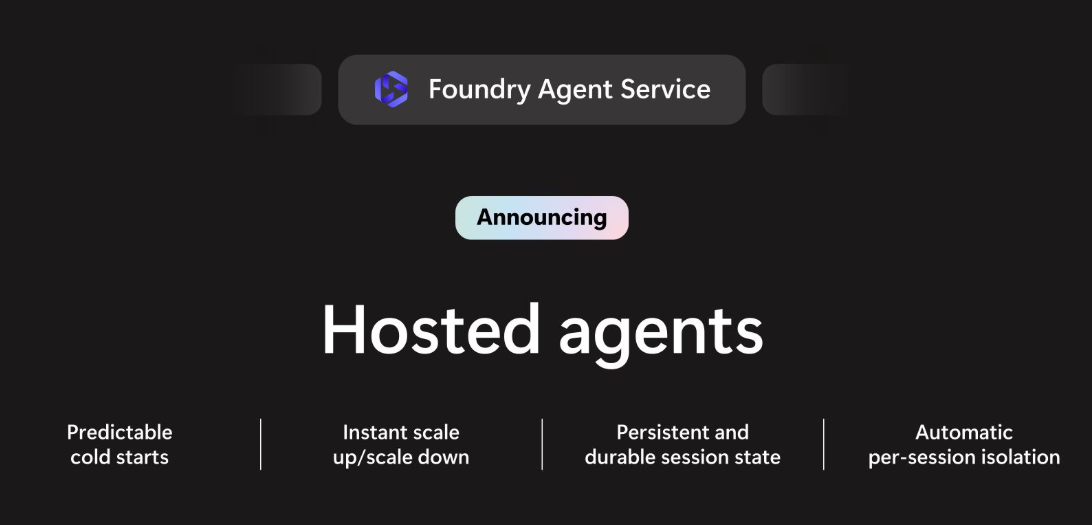
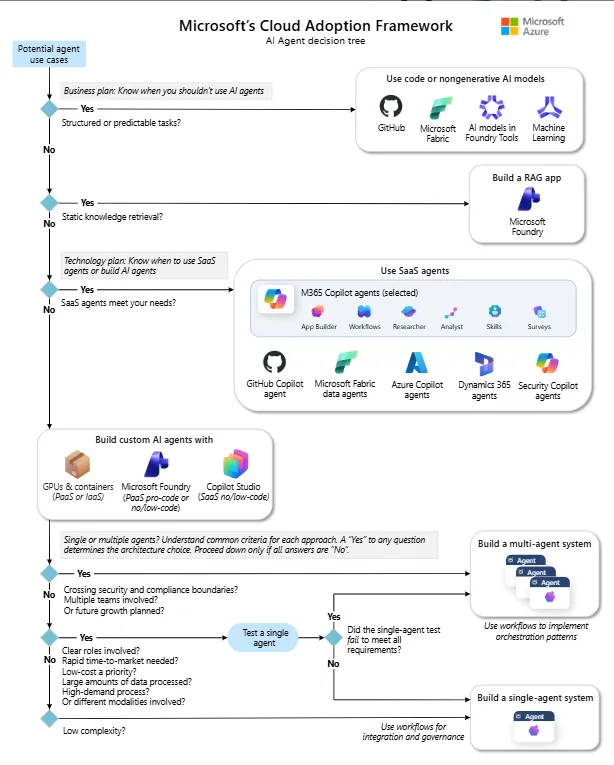
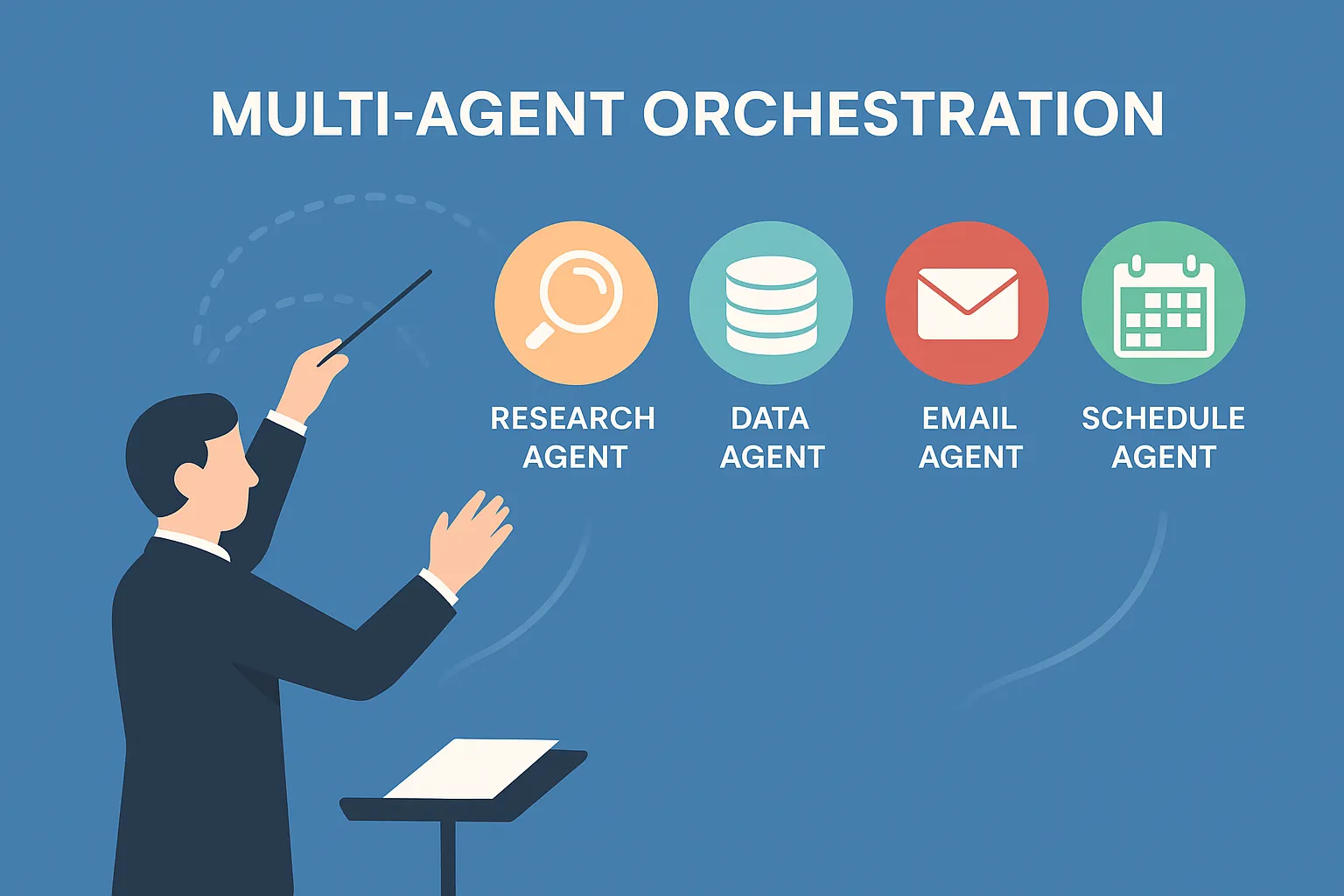
▢ Build intelligent AI agents that take action across data, apps, and APIs.
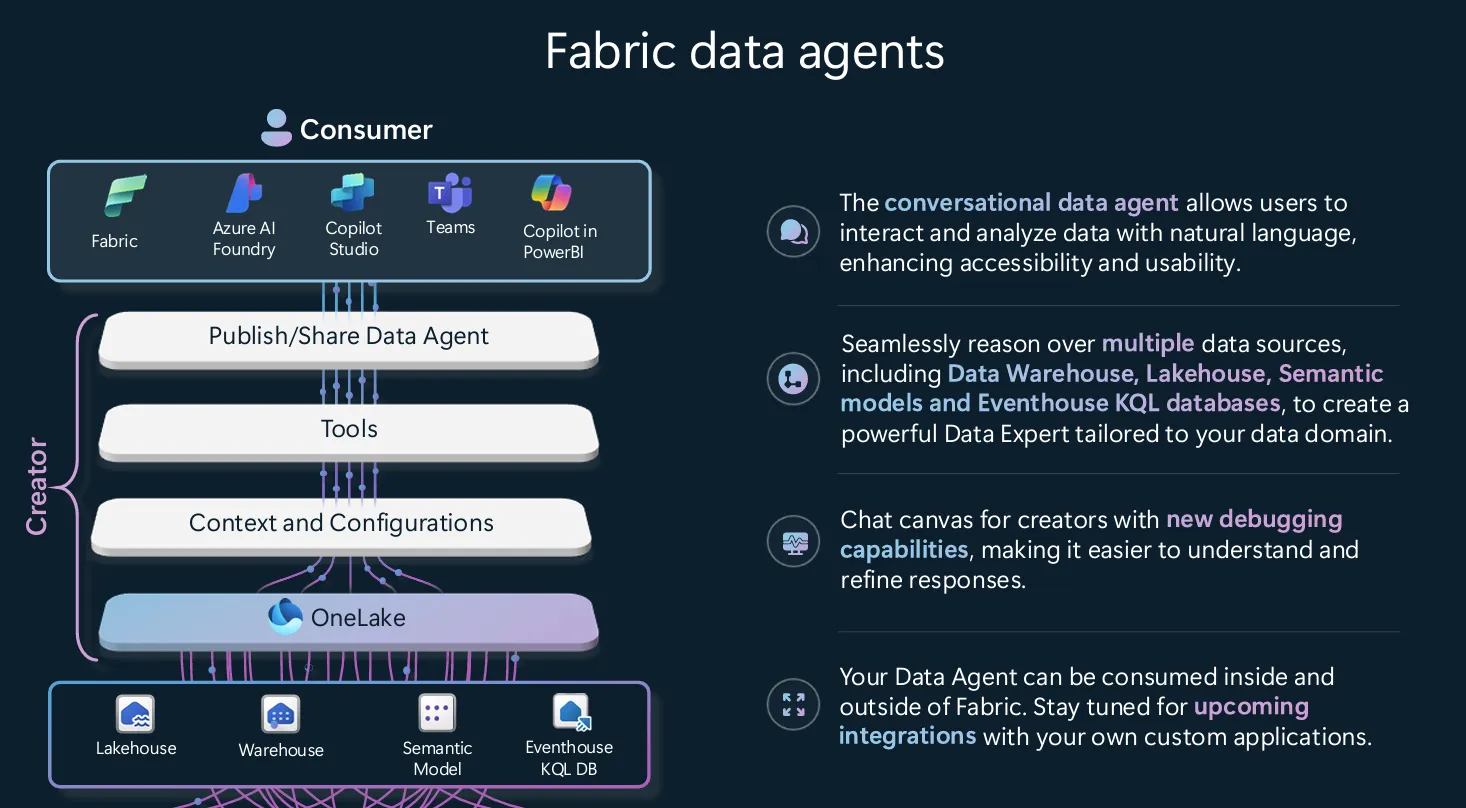
▢ Integrate with Microsoft 365, SharePoint, Fabric, Dataverse, and third-party apps.
▢ Support multi-turn conversations, task planning, and real-world tool interaction.
5. AI Gateway & API Management
▢ Centrally manage access to all your AI models — whether hosted on Azure or third-party platforms.
▢ Apply rate limiting, key rotation, and usage tracking.
▢ Enforce security policies and SLAs across teams.
6. Data Integration & Governance
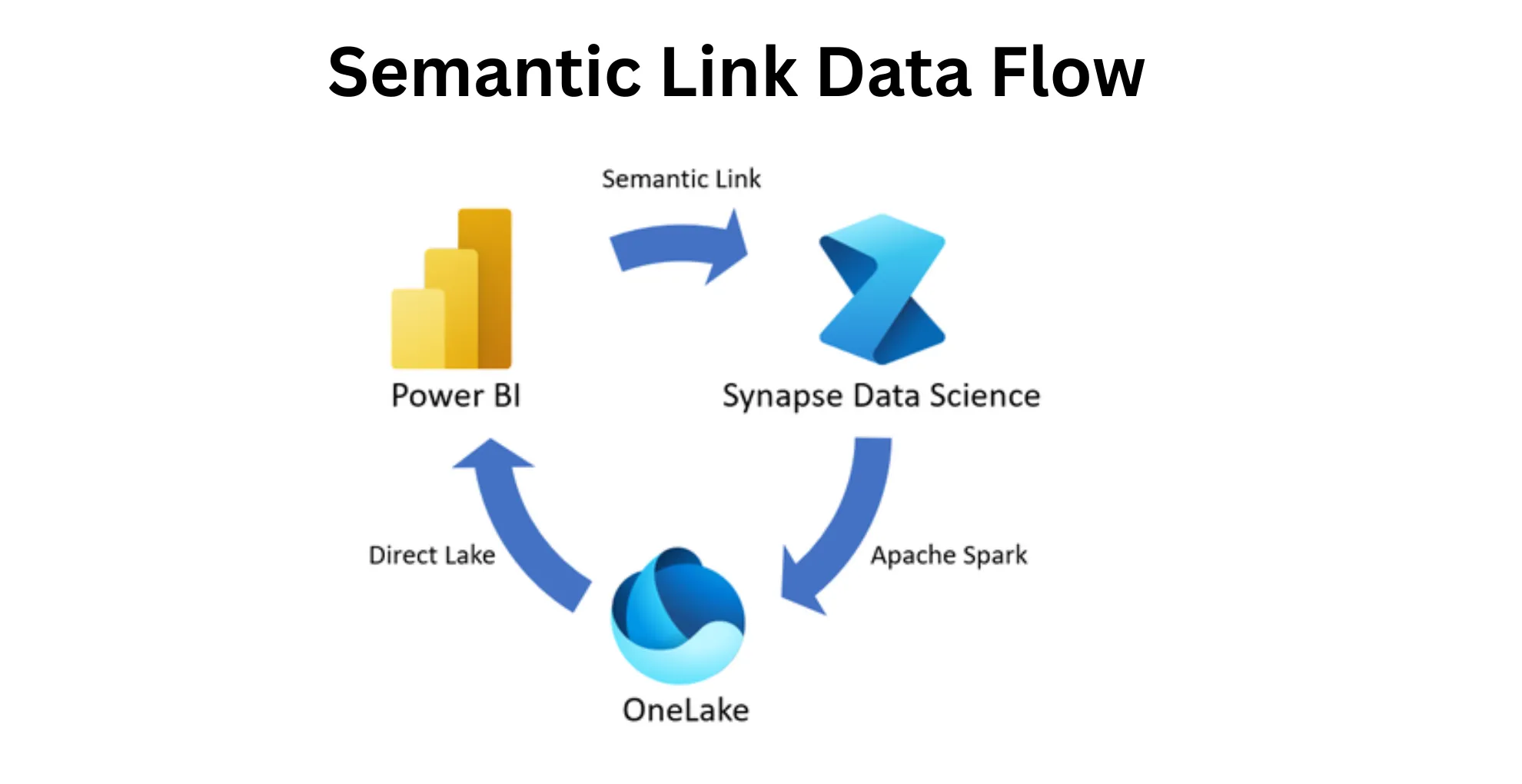
▢ Seamlessly connect with Azure Data Lake, Microsoft Fabric, Synapse, and Dataverse.
▢ Ensure responsible AI with model usage monitoring, audit logs, and content filters.
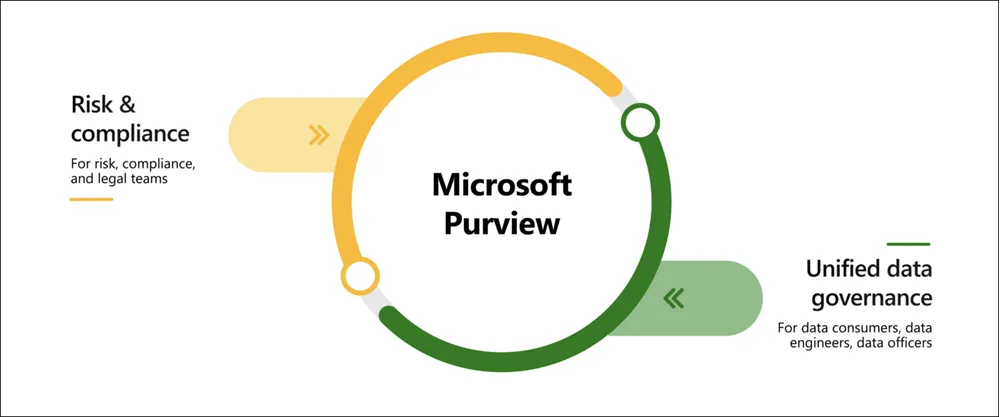
▢ Integrate Purview for data lineage and compliance reporting.
Real-World Use Cases
Enterprise Copilots: Build domain-specific copilots (e.g., legal, healthcare, HR) trained on internal knowledge bases — using RAG and secure vector search.
AI-Enhanced Analytics: Embed conversational AI into Power BI or Fabric dashboards to explain trends, answer queries, or generate summaries dynamically.
Healthcare Automation
Streamline clinical documentation, summarise medical research, and automate prior authorizations — all with secure model hosting and PHI protection.
Government & Public Sector
Use agents to automate citizen services, policy research, and real-time translation, with control over data residency and confidentiality.
Why Azure AI Foundry Stands Out
Feature |
Azure AI Foundry Advantage |
🧱 Model Flexibility |
Support for Microsoft, open-source, and custom models |
🔐 Enterprise-Grade Security |
Compliance with HIPAA, ISO, FedRAMP, and more |
🌐 Data Integration |
Seamless Azure ecosystem connectivity |
📊 Observability |
Built-in dashboards and evaluation tools |
🧑💼 Role-Based Collaboration |
Designed for prompt engineers, data scientists, developers |